
Sigiriya is one of the most iconic and awe-inspiring destinations in Sri Lanka. Rising dramatically from the central plains, this magnificent rock fortress is more than just a beautiful landmark. It is a symbol of royal ambition, artistic brilliance, advanced engineering, and the enduring cultural legacy of Sri Lanka. Often referred to as the Lion Rock, Sigiriya stands as one of the island's most celebrated heritage sites and continues to attract travelers, historians, photographers, and culture lovers from around the world.
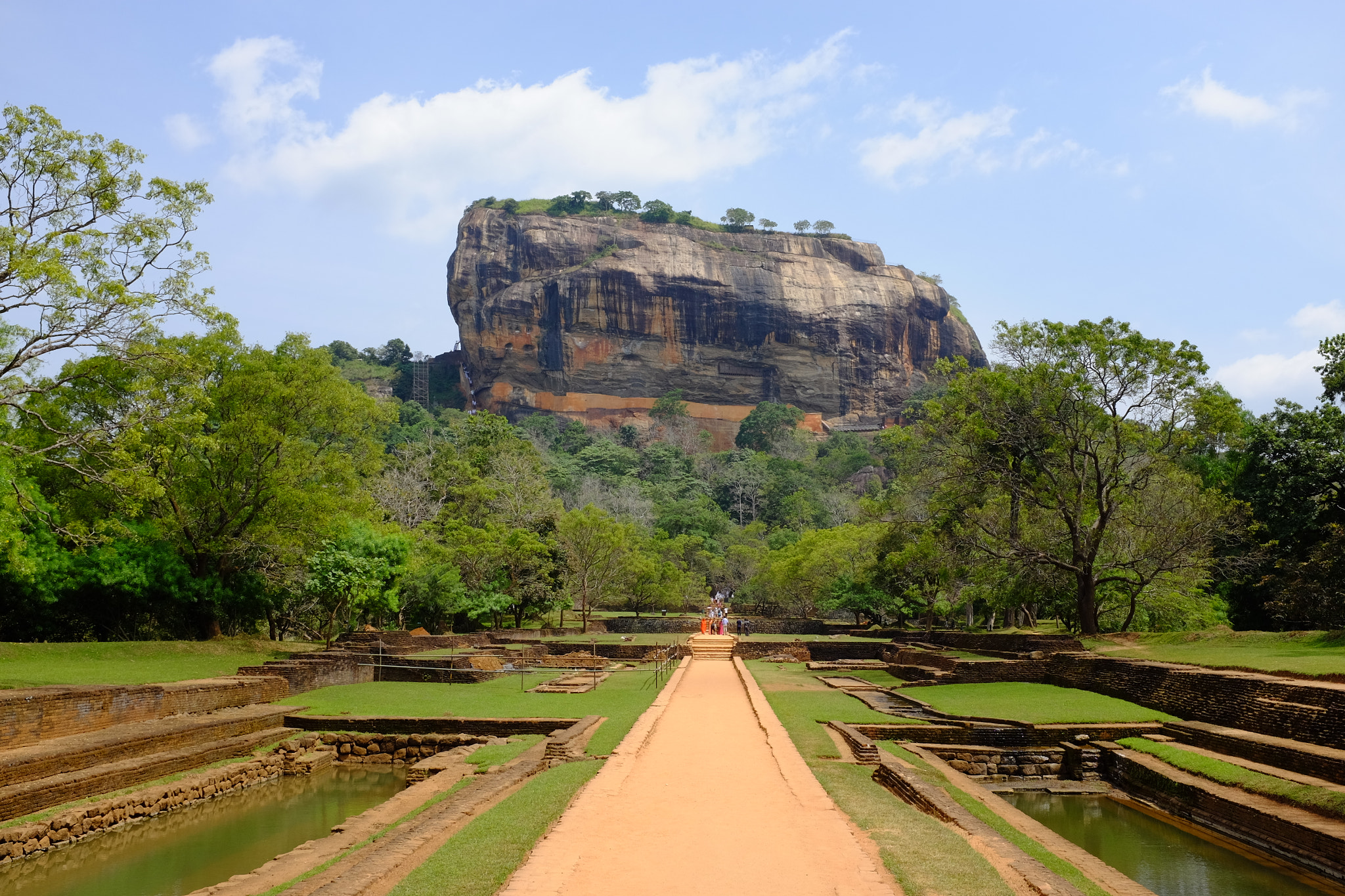
Located in the Matale District near Dambulla, Sigiriya is a massive granite rock that towers nearly 200 meters above the surrounding landscape. Its commanding presence can be seen from miles away, creating a truly unforgettable first impression. What makes Sigiriya extraordinary is not only the natural beauty of the rock itself, but also the sophisticated ancient city and palace complex built around and on top of it. The combination of history, art, architecture, and landscape design makes Sigiriya one of the most remarkable places to visit in Sri Lanka.
The History of Sigiriya
Sigiriya is most famously associated with King Kashyapa, who ruled Sri Lanka during the fifth century. According to historical chronicles, Kashyapa seized the throne and established Sigiriya as his royal capital. To secure his kingdom and create a palace unlike any other, he transformed the giant rock into a fortified citadel. The summit became the site of his palace, while the surrounding area was developed into an elegant royal city complete with gardens, reservoirs, defensive structures, and ceremonial pathways.
After the reign of King Kashyapa, Sigiriya later became a Buddhist monastic complex. Over time, the site evolved and survived as a sacred and historical landscape, carrying within it layers of royal and religious significance. Today, Sigiriya remains one of the most treasured archaeological sites in Sri Lanka and continues to tell the story of the island's rich and complex past.
The Remarkable Design of the Fortress
One of the most fascinating aspects of Sigiriya is the intelligence behind its design. This is not simply a rock with ruins on top. It is a carefully planned urban and ceremonial landscape. The outer precinct includes moats and ramparts, which demonstrate defensive thinking and a keen awareness of security. As visitors enter the site, they encounter beautifully arranged water gardens, symmetrical layouts, and landscaped zones that reveal the sophistication of ancient Sri Lankan planning and engineering.
The gardens of Sigiriya are among the oldest landscaped gardens in Asia. Water channels, fountains, pools, and small islands were arranged with great precision, blending artistic beauty with hydraulic innovation. During the rainy season, some of these ancient fountains still function, offering a glimpse into the technological skill of the builders. The entire setting shows how architecture and nature were intentionally combined to create a place of both protection and prestige.
The Frescoes and Mirror Wall
As visitors climb higher, one of the most famous attractions of Sigiriya comes into view: the frescoes. These ancient paintings are among the finest surviving examples of classical Sri Lankan art. Painted on the sheltered western face of the rock, the frescoes are admired for their elegance, color, and detail. The female figures, often believed to represent celestial maidens or courtly women, appear graceful and luminous against the rock surface.
Another extraordinary feature is the Mirror Wall. This polished wall was once so smooth that it is said to have reflected the images of those walking beside it. Over the centuries, visitors inscribed poems and verses on the wall, many of which survive today as a rare form of historical expression. These writings provide valuable insight into how Sigiriya was admired in the past and show that the site inspired wonder long before the modern era.
The Lion Platform and the Summit Palace
Perhaps the most dramatic point of the climb is the Lion Platform. In ancient times, the final stairway to the summit passed through the mouth of a monumental lion-shaped gateway. Though only the enormous brick lion paws remain today, they are still powerful enough to spark the imagination. This feature is what gave the site its famous name, Sigiriya, which is linked to the image of the lion.
At the summit, visitors discover the ruins of the royal palace complex. Foundations, terraces, pools, cisterns, and structural remains hint at the grandeur that once existed at the top of the rock. Standing on the summit offers panoramic views of forests, villages, reservoirs, and distant mountains. The sight is breathtaking and unforgettable, making the climb feel fully worthwhile. It is easy to understand why a king chose this dramatic rock as the center of his vision and power.
Why Sigiriya Matters Today
Sigiriya is more than a tourist attraction. It is a masterpiece of Sri Lankan civilization. It represents a remarkable meeting point of architecture, politics, spirituality, art, and environmental design. Every path, wall, painting, and water feature contributes to a story that still resonates today. The site is admired not only for its beauty, but also for the ingenuity and imagination behind it.
For modern travelers, Sigiriya offers a deeply memorable experience. It invites visitors to walk through landscaped gardens, climb ancient stairways, study historic artistry, and absorb stunning natural views. It appeals equally to those interested in archaeology, culture, photography, and adventure. The atmosphere changes throughout the journey, beginning with serenity at the gardens, building into wonder near the frescoes and lion platform, and ending with a sense of triumph at the summit.
Travel Tips for Visiting Sigiriya
To enjoy Sigiriya comfortably, it is best to visit early in the morning or later in the afternoon when the weather is cooler. Comfortable clothing, proper footwear, and drinking water are highly recommended. Since the site involves climbing many steps, taking your time and enjoying the views along the way can make the experience even more rewarding. Visitors should also behave respectfully, especially around heritage zones and protected artwork.
Many travelers combine a visit to Sigiriya with nearby attractions such as Pidurangala, Dambulla Cave Temple, and Minneriya National Park. This makes the region one of the richest travel circuits in Sri Lanka for culture and nature combined. Whether you are a local explorer or an international visitor, Sigiriya promises a journey filled with wonder, meaning, and unforgettable beauty.
Conclusion
Sigiriya remains one of Sri Lanka's greatest treasures. It is a place where legend, creativity, power, and nature come together in a truly extraordinary way. From its royal history and world-famous frescoes to its landscaped gardens and summit ruins, every element of Sigiriya tells a story of brilliance and vision. A visit to Sigiriya is not merely a stop on a travel itinerary. It is an encounter with one of the most majestic and meaningful heritage sites in Asia.